Your Body on Olive Oil: Why the Mediterranean Diet Is More Than Just a Meal Plan
Your Body on Olive Oil: Why the Mediterranean Diet Is More Than Just a Meal Plan
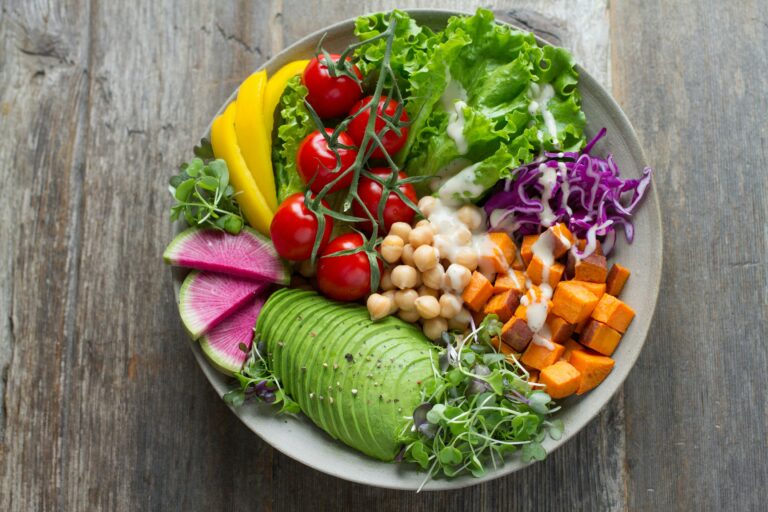
You’ve probably seen the glossy photos of colorful salads, grilled fish, and glasses of red wine overlooking a sparkling sea. Maybe you’ve heard a friend swear they lost weight without feeling deprived. But the Mediterranean diet isn’t just another food trend—it’s a way of eating tied to some of the longest-living populations on the planet. Understanding the benefits of a Mediterranean diet goes far beyond looking good in a swimsuit; it’s about giving your body a powerful, science-backed tool to fight inflammation, support your heart, and keep your brain sharp as you age.
Let’s cut through the noise. You don’t need to move to a Greek island to eat this way. You just need to know what the research actually says, and how to make it work in your real, busy life. Here is your straightforward guide to what the Mediterranean diet really means and how it can improve the way you feel—starting today.
What Exactly Is the Mediterranean Diet? (And What It Isn’t)
First, a necessary correction: this isn’t a restrictive “diet” in the weight-loss sense. It’s an eating pattern inspired by the traditional cuisines of countries like Greece, Italy, Spain, and southern France in the mid-20th century. Researchers noticed that people in these regions had remarkably low rates of heart disease and chronic illness, despite not having access to modern “superfoods” or gym memberships.
At its core, the Mediterranean diet is about abundance, not deprivation. You are encouraged to eat a lot of certain foods, not just avoid others. The primary focus is on:
- Vegetables, fruits, and legumes: Think leafy greens, tomatoes, chickpeas, lentils, and colorful peppers.
- Whole grains and minimally processed starches: Brown rice, quinoa, barley, and sourdough bread.
- Healthy fats: Primarily extra virgin olive oil, along with nuts, seeds, and avocados.
- Fish and seafood: Eaten at least twice a week.
- Moderate amounts of poultry, eggs, and dairy: Cheese and yogurt are eaten daily but in small portions.
- Limited red meat: Reserved for occasional treats.
- Red wine in moderation: Usually one glass per day for women, two for men.
It’s equally important to understand what this diet isn’t. It is not about eating giant bowls of pasta with heavy cream sauce, and it is not a low-carb or paleo approach. Carbs are still present—the difference is they come from whole grains and legumes, not refined flours and sugar.
Why Understanding the Benefits of a Mediterranean Diet Matters More Now Than Ever
You live in a world where chronic inflammation is the common denominator behind heart disease, type 2 diabetes, Alzheimer’s, and even certain cancers. The standard American diet—high in refined sugars, industrial seed oils, and processed meats—is a fire starter for internal inflammation. The Mediterranean diet acts like a fire extinguisher.
Here’s why this matters to you personally: Making this shift doesn’t require expensive supplements or exotic ingredients. It’s a sustainable approach that works with your biology, not against it. When you truly understand the benefits of a Mediterranean diet, you realize you’re not just changing what’s on your plate—you’re changing how your cells communicate, how your arteries respond to cholesterol, and how your brain protects itself against aging.
The Top 5 Science-Backed Health Benefits You Can Actually Feel
Let’s get specific. Here are the most compelling reasons to adopt this eating pattern, backed by decades of research from studies like the PREDIMED trial (Prevención con Dieta Mediterránea).
1. Heart Health That Goes Beyond Cholesterol
You’ve probably heard that olive oil is “good for your heart,” but the mechanism is more interesting than that. The Mediterranean diet doesn’t just lower LDL (bad) cholesterol; it changes the type of LDL particles in your blood. It shifts them from small, dense particles (which easily penetrate artery walls) to larger, fluffier particles that are far less dangerous. Furthermore, the high polyphenol content in olive oil improves the function of your endothelial cells—the lining of your blood vessels. This helps your arteries stay flexible and responsive, reducing the risk of high blood pressure.
A practical way to see this benefit: swap your vegetable oil for a high-quality extra virgin olive oil like California Olive Ranch Everyday Extra Virgin or Pompeian Robust Extra Virgin Olive Oil. These are affordable, widely available, and tested for purity, so you actually get the polyphenols you’re paying for.
2. Brain Protection Against Cognitive Decline
Your brain is about 60% fat, and it thrives on the same Omega-3 fatty acids found in Mediterranean staples like sardines, walnuts, and flaxseeds. The MIND diet—a hybrid between the Mediterranean and DASH diets—was specifically designed for brain health. Studies show that strict adherence to the Mediterranean diet can reduce the risk of Alzheimer’s disease by up to 53%.
The stars here are fatty fish like salmon, mackerel, and anchovies. If fresh wild salmon isn’t in your budget, no problem. Canned wild-caught sardines (like Crown Prince Skinless & Boneless Sardines) are a fantastic Omega-3 source. Just toss them with a little lemon and olive oil on a bed of arugula.
3. Sustainable Weight Management Without Counting Calories
This is the part that surprises most people. You don’t have to starve yourself. The high fiber content from vegetables, fruits, and legumes fills you up physically, while the healthy fats from olive oil and nuts signal satiety to your brain. One study found that participants eating a Mediterranean diet lost more weight over 12 months compared to those on a low-fat diet, despite being allowed to eat until satisfied.
A key practical tip: Start your lunch with a big bowl of mixed greens dressed with olive oil and lemon juice before eating your main dish. This pre-load of fiber and fat naturally reduces how much you eat of the heavier foods later.
4. Better Blood Sugar Control and Reduced Diabetes Risk
Because the Mediterranean diet is rich in fiber and healthy fats, it slows the absorption of sugar into your bloodstream. This prevents those unpleasant blood sugar spikes and crashes that leave you reaching for more snacks an hour later. For people with type 2 diabetes, this pattern has been shown to improve insulin sensitivity and reduce HbA1c levels (a three-month average of blood sugar) better than a standard low-fat diet.
One easy swap: replace your morning sugary cereal with a bowl of Bobs Red Mill Rolled Oats topped with a handful of walnuts and fresh berries. You get slow-digesting carbs paired with protein and healthy fat.
5. Reduced Systemic Inflammation and Pain
Chronic low-grade inflammation is linked to everything from arthritis to acne to fatigue. The antioxidants in the Mediterranean diet—particularly polyphenols from olive oil, resveratrol from red wine, and quercetin from vegetables like red onion and capers—directly suppress pro-inflammatory compounds. Many people report noticeable reductions in joint pain and skin breakouts within weeks of consistent adherence.
How to Build Your Mediterranean Plate: A Simple Framework
Understanding the benefits of a Mediterranean diet is one thing; knowing what to buy at the grocery store is another. Don’t overcomplicate this. Here’s a visual framework for every meal:
Half your plate: Non-starchy vegetables. Broccoli, spinach, bell peppers, zucchini, tomatoes, eggplant. Go for variety and color.
A quarter of your plate: High-quality protein. Fatty fish, shellfish, chicken, eggs, or legumes (chickpeas, lentils, beans).
A quarter of your plate: Starchy carbs. Whole grains (farro, quinoa, brown rice), whole-wheat pasta, or potatoes eaten with the skin.
Fat: Drizzle generously with extra virgin olive oil. Add a small handful of nuts or seeds.
One Day in the Life of a Mediterranean Eater
Breakfast: Greek yogurt (full-fat, please) with a drizzle of honey, fresh figs or berries, and a sprinkle of chopped almonds.
Lunch: Arugula salad with cherry tomatoes, sliced cucumber, chickpeas, crumbled feta, and a lemon-olive oil dressing. A slice of whole-grain sourdough on the side.
Dinner: Grilled salmon seasoned with oregano and garlic, served alongside roasted asparagus and a small portion of quinoa with sun-dried tomatoes.
Evening treat: A small square of dark chocolate (70%+ cacao) or a glass of red wine.
Common Mistakes People Make (And How to Avoid Them)
Even well-intentioned eaters slip off the path. Here are the three biggest pitfalls to watch for:
- Overdoing the “healthy” carbs: Whole-wheat pasta is a better choice than white pasta, but in the Mediterranean diet, pasta is a side dish, not the main event. A proper plate might have one cup of pasta surrounded by a large volume of vegetables and a modest portion of seafood. Don’t eat a mountain of noodles topped with a tiny bit of sauce.
- Using poor quality olive oil: If your olive oil comes in a clear plastic bottle and costs less than $10 per liter, it’s likely oxidized, adulterated, or simply low in polyphenols. You want extra virgin olive oil in a dark glass bottle. Look for a harvest date and a certification seal. Brands like O-Live & Co. or Kosterina offer verified high-polyphenol extra virgin olive oils that are worth the investment.
- Forgetting the “diet” part is only half the story: The traditional Mediterranean lifestyle includes daily physical activity, regular social meals with family, and adequate sleep. Eating olive oil isn’t a magic bullet if you’re sedentary, stressed, and eating dinner alone in front of your laptop. The pattern works best as a whole lifestyle.
Real Products That Make the Mediterranean Diet Easier
You don’t need a fancy kitchen, but a few tools and staples can reduce friction. Here are honest, usable recommendations:
For Your Pantry
– Extra virgin olive oil (high polyphenol): Kosterina Original is robust, fruity, and has a high smoke point suitable for cooking. It’s not cheap, but you taste the difference. Pro: High in antioxidants. Con: Pricey. Alternative: California Olive Ranch 100% California Medium is more affordable and still excellent.
– Canned wild salmon: Wild Planet Wild Sockeye Salmon is a non-catalog, sustainably caught option with no added oils. Easy to flake onto a salad or mix with avocado for a quick meal. Pro: No draining required, packed with Omega-3s. Con: Bone-in (easy to remove, but a minor step).
– Nut butter (no sugar added): Barney Butter Bare Smooth Almond Butter is just almonds and a pinch of salt. Smear on apple slices or whole-grain toast. Pro: No palm oil or sugar. Con: Can separate; needs stirring.
For Your Kitchen Tools
– Quality salad spinner: The OXO Good Grips Salad Spinner dries greens completely, which means your dressing clings better and your salads don’t get soggy. A simple but game-changing tool for eating more vegetables. Pro: Durable, easy to clean. Con: Takes up cabinet space.
– Stainless steel or cast-iron skillet: A Lodge 10.25-inch Cast Iron Skillet is nearly indestructible and perfect for searing fish and sautéing greens in olive oil. Pro: affordable, lasts forever. Con: heavy and requires seasoning.
The Social and Environmental Benefits You Shouldn’t Overlook
Beyond your own health, understanding the benefits of a Mediterranean diet includes recognizing its positive ripple effects. This eating pattern is naturally lower in industrially processed foods, which means fewer highly packaged products and a smaller carbon footprint. The focus on seasonal vegetables, locally caught fish, and plant-based proteins aligns with sustainable farming practices. Furthermore, the Mediterranean tradition of eating slowly and with others reduces food waste and fosters genuine connection. In an era of solo desk lunches, simply sitting down for a 30-minute meal with loved ones can lower your cortisol and improve your digestion.
Frequently Asked Questions (Because You’re Probably Wondering)
Can I follow the Mediterranean diet as a vegetarian or vegan?
Absolutely. The traditional diet is plant-forward anyway. Just increase your legumes (lentils, chickpeas, beans) and include nuts, seeds, and seaweed for iodine. Omit the fish and meat entirely if you wish. You may want to take a separate algae-based DHA supplement for Omega-3s if you don’t eat fish.
Is the Mediterranean diet expensive?
It can be if you buy everything organic and imported. But you can do it affordably: buy dried legumes and whole grains in bulk, use frozen vegetables, choose canned fish over fresh, and buy olive oil in larger containers to save per-ounce costs. The diet actually saves money long-term because you eat less processed food and fewer snacks.
How quickly will I see results?
Some people notice better energy and less bloating within the first week. More significant changes—like improved cholesterol numbers, weight stabilization, and reduced inflammatory markers—typically show up around the 3- to 6-month mark when you are consistent.
Your Next Steps: From Understanding to Doing
You now have a solid grasp of understanding the benefits of a Mediterranean diet. You know why it protects your heart, supports your brain, and helps you maintain a healthy weight. You also know the common traps and how to avoid them.
Here’s your short action plan to start this week:
- Buy one bottle of high-quality extra virgin olive oil and use it as your primary cooking and finishing fat.
- Swap three of your weekly meat dinners for fish or seafood. Sardines on toast count.
- Make vegetables the star of half your plate at every lunch and dinner.
- Put away your phone and sit down to eat at least one meal per day without distractions.
This is not about perfection. You can still eat pizza or burgers occasionally. The research is clear: the greatest health benefits come from those who follow the pattern most of the time. Give yourself permission to start where you are. Your future self—with a stronger heart, sharper memory, and more stable energy—will thank you.
This page may contain affiliate links. We may earn a commission on qualifying purchases at no extra cost to you.
Final Thoughts: The Diet That Passes the Longevity Test
The Mediterranean diet isn’t the hottest new thing, and that’s exactly why it works. It has been practiced for centuries, validated by modern science, and backed by thousands of real-world success stories from people who live past 90 in good health. Understanding the benefits of a Mediterranean diet is simple—real change comes from applying those lessons, one meal at a time. Start with a good olive oil, a piece of fish, and a big bowl of greens, and let the pattern unfold naturally.