Your Ultimate Paleo Shopping List: The 7 Best Foods for a Real Food Revival
Your Ultimate Paleo Shopping List: The 7 Best Foods for a Real Food Revival
If you’ve decided to go paleo—congratulations. You’re about to cut through the noise of modern processed junk and get back to what your body actually evolved to eat. The idea is simple: if a caveman couldn’t hunt it, fish it, or pick it off a tree, it doesn’t belong on your plate. That means saying goodbye to grains, legumes, dairy, refined sugar, and industrial seed oils.
But here’s the thing: just because a food is “paleo-approved” doesn’t mean it’s a nutritional slam dunk. You can eat bacon every single day and technically stay in the protocol—but your arteries won’t thank you. That’s why I’ve sifted through the noise to bring you the seven absolute best foods to eat on a paleo diet—the ones that deliver flavor, nutrient density, and satisfaction without the downsides.
Whether you’re a paleo newbie or a veteran who just needs a shopping list refresh, this roundup covers real-world picks, honest pros and cons, and the features that make each one a winner.
1. Grass-Finished Beef Steaks (Ribeye & Sirloin)
Short pitch: Grass-finished beef is the gold standard for paleo protein—rich in omega-3s, CLA, and heme iron without the inflammatory baggage of grain-fed feedlot meat.
Key features
- 100% grass-finished (not just grass-fed then grain-finished) for a true fatty acid profile
- Higher in antioxidant vitamins like vitamin E compared to conventional beef
- Contains conjugated linoleic acid (CLA), linked to better body composition in some studies
Pros: Deep, beefy flavor; perfect for searing or slow-cooking; satiating and keeps blood sugar stable.
Cons: Can be pricey—expect $12–$20 per pound for quality cuts; tougher texture if you overcook lean cuts.
Final take: If you can afford it, regularly rotating grass-finished ribeye or sirloin into your paleo menu gives you a dense source of bioavailable protein and healthy fats that no plant food can match.
2. Wild-Caught Alaskan Salmon (Canned & Fresh)
Short pitch: Wild salmon is the paleo community’s MVP for omega-3 fatty acids, specifically the long-chain EPA and DHA that support brain health and fight inflammation.
Key features
- Wild-caught (not farmed) to avoid antibiotics, dyes, and a lower omega-3 ratio
- Canned wild pink or sockeye salmon is a budget-friendly option with bones intact for calcium
- High in astaxanthin, a powerful carotenoid antioxidant
Pros: Versatile—works in salads, patties, or straight from the can; sustainable choices available (MSC-certified); a single 6-ounce portion covers your daily omega-3 needs.
Cons: Fresh wild salmon is seasonal (summer); can contain trace mercury (safe for most, but limit to 2–3 servings weekly if pregnant).
Final take: Wild-caught Alaskan salmon is one of the few foods that delivers both high-quality protein and a serious dose of anti-inflammatory fats in one package.
3. Pasture-Raised Whole Eggs (Including the Yolks)
Short pitch: You have permission to eat the whole egg—pasture-raised yolks are one of the most nutrient-dense foods on the planet, and they’re perfectly paleo.
Key features
- From hens that spend time outdoors eating bugs and grass (look for “Certified Humane” or “Pasture-Raised”)
- Contain choline for brain function, lutein for eye health, and vitamin D
- Protein is highly bioavailable with a perfect amino acid profile
Pros: Affordable compared to meat; quick to cook; yolks provide fat-soluble vitamins A, D, E, and K2.
Cons: Pasture-raised eggs can cost $5–$8 per dozen; people with autoimmune conditions sometimes react to egg whites (try yolks-only temporarily).
Final take: Don’t skip the yolk—pasture-raised eggs are a cheap, complete food that fits paleo like a glove, giving you brain-boosting nutrients and satiating fat.
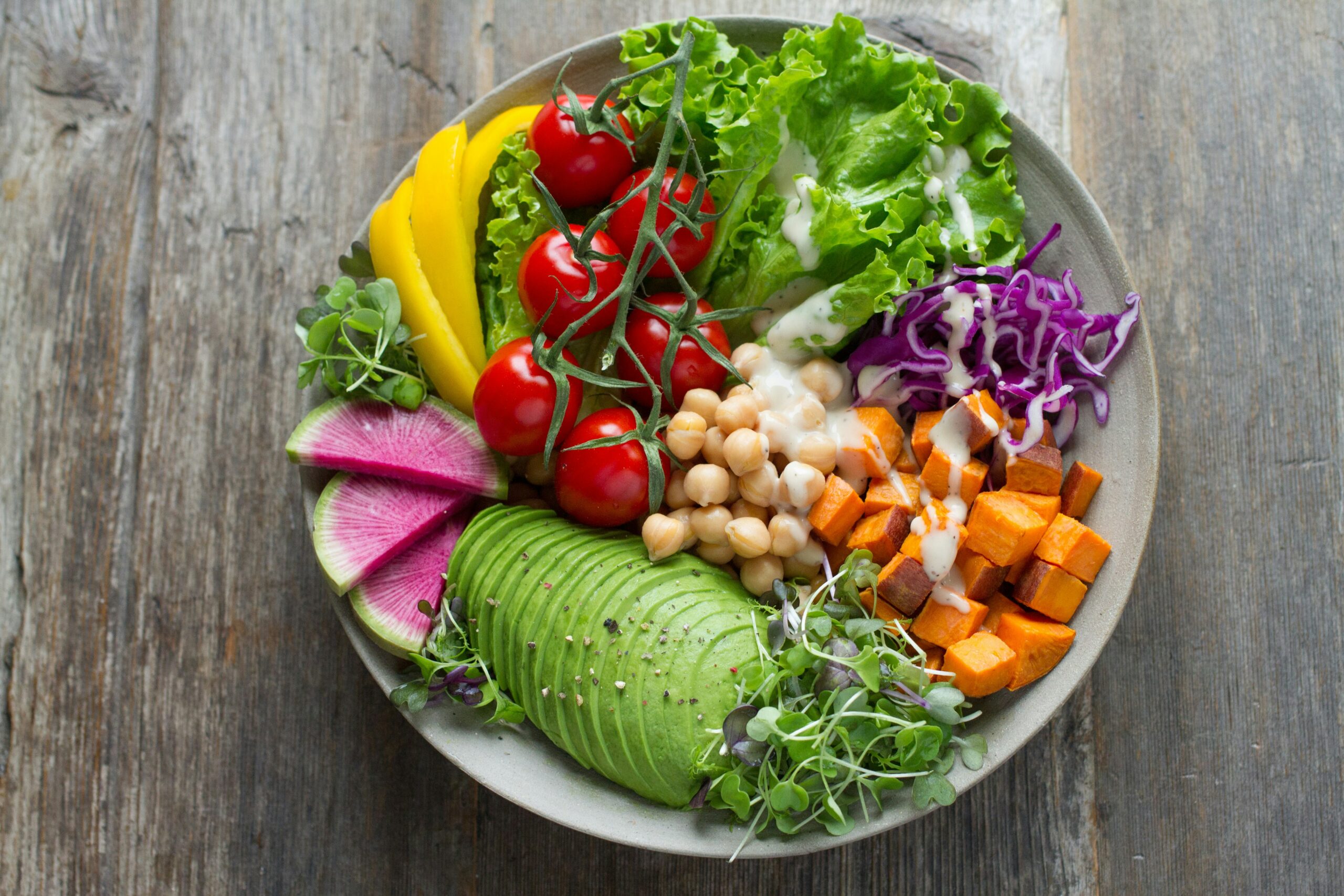
4. Organic Avocados (and Avocado Oil)
Short pitch: Avocados are the paleo-friendly source of monounsaturated fat and fiber that makes every meal creamier and more satisfying—no dairy required.
Key features
- High in oleic acid (the same heart-healthy fat found in olive oil)
- Contains nearly 20 vitamins and minerals including potassium (more than a banana)
- Avocado oil has a high smoke point (500°F), perfect for paleo cooking
Pros: Zero carbs that spike insulin (mostly fiber); blends into smoothies or smashed on sweet potatoes; keeps you full for hours.
Cons: Can be pricey out of season ($2–$3 per avocado); goes brown quickly once cut (squeeze lemon juice on it).
Final take: Avocados are the closest thing to a perfect paleo fat source—they’re portable, creamy, and loaded with nutrients that support hormone health.
5. Sweet Potatoes (Purple & Orange Varieties)
Short pitch: Sweet potatoes are the paleo carb source that won’t wreck your blood sugar when eaten after a workout—and the purple variety adds anthocyanins for extra antioxidant firepower.
Key features
- Rich in beta-carotene (orange) or anthocyanins (purple)
- Provide resistant starch when cooked and cooled, which feeds gut bacteria
- Load up on vitamin A (one medium sweet potato gives you over 100% of your daily needs)
Pros: Delicious roasted with coconut oil and sea salt; supports glycogen replenishment; historically similar to wild tubers our ancestors ate.
Cons: Not suitable for strict keto-adapted paleo eaters; can spike blood sugar if eaten alone on an empty stomach (pair with fat and protein).
Final take: Sweet potatoes are the best vehicle for healthy fats and a satisfying source of paleo-friendly carbs—just eat them in the context of a real meal.
6. Raw Tree Nuts (Especially Macadamias & Walnuts)
Short pitch: Nuts are the ultimate paleo snack, but not all are created equal—macadamias deliver the best fat-to-protein ratio, while walnuts pack the most omega-3s.
Key features
- Macadamias have the highest fat content (78% monounsaturated) and lowest carbs among nuts
- Walnuts are the only nut with significant alpha-linolenic acid (ALA), a plant-based omega-3
- Buy raw (not roasted in vegetable oil) to avoid rancid polyunsaturated fats
Pros: No cooking or prep required; great for travel; pair with berries or dark chocolate (check ingredients).
Cons: Peanuts are legumes, not paleo; cashews are technically seeds and often roasted in oils; easy to overeat (portion out a handful).
Final take: Stick with raw macadamias and walnuts for the best paleo nut experience—they’re a quick, nutrient-dense snack that supports heart health and brain function.
7. Fermented Vegetables (Sauerkraut & Kimchi)
Short pitch: Fermented veggies are the paleo way to get probiotics, improve digestion, and preserve vegetables without any added sugar or dairy.
Key features
- Naturally lacto-fermented (look for “raw” or “unpasteurized” in the refrigerated section)
- Loaded with vitamin C and gut-friendly Lactobacillus bacteria
- No added sugar, vinegar, or preservatives in traditional recipes
Pros: Helps break down plant antinutrients (like oxalates) during fermentation; easy to make at home with cabbage and salt; a little goes a long way for gut health.
Cons: Store-bought versions often contain vinegar or sugar (read labels); can be high in sodium (rinse before eating if needed).
Final take: A spoonful of raw sauerkraut or kimchi with your meal won’t just add crunch—it actively supports your microbiome, which is central to paleo’s healing philosophy.
Buying Guide: How to Choose the Best Paleo Foods
Walking through a grocery store with paleo in mind can feel overwhelming at first—everything screams “natural” these days. Here’s a quick cheat sheet to make smarter choices.
Meat & Seafood
- Look for: “Grass-finished” or “100% grass-fed” for beef; “wild-caught” and “MSC-certified” for fish.
- Avoid: Grain-fed beef (higher omega-6), farmed salmon (often dyed), and anything with added broth or “natural flavors.”
Eggs & Fats
- Look for: “Pasture-raised” on eggs; avocado oil, coconut oil, or cold-pressed olive oil for cooking.
- Avoid: Vegetable oils (canola, soybean, sunflower) and eggs from conventional caged hens.
Vegetables & Tubers
- Look for: Organic sweet potatoes, winter squash, and dark leafy greens like kale and spinach.
- Avoid: Grains (wheat, rice, corn), legumes (beans, lentils, peanuts), and starchy potatoes (white potatoes are debated but generally avoided on strict paleo).
Ferments & Snacks
- Look for: Refrigerated sauerkraut and kimchi without added sugar; raw macadamia nuts and walnuts.
- Avoid: Any product with “canola oil,” “sugar,” “dextrose,” or “modified food starch” on the label.
Frequently Asked Questions About Paleo Foods
Can I eat bacon on paleo?
Yes, but it depends on the quality. Look for uncured, sugar-free bacon from pastured pigs. Conventional bacon often contains nitrates, sugar, and antibiotics. Even then, treat it as a condiment, not a staple—the omega-6 load adds up fast.
What about fruit?
Fruit is paleo-friendly, but prioritize low-sugar options like berries (blueberries, raspberries, strawberries) over tropical fruits like mangoes and pineapple if you’re trying to manage blood sugar. Berries also deliver the highest concentration of antioxidants.
Is coffee allowed?
Most paleo folks say yes—coffee is a plant product (the seed of a berry). Just skip the dairy creamer and sugar. Use coconut cream, almond milk (unsweetened), or a splash of coconut milk instead.
Do I need to buy organic?
Not always, but prioritize organic for foods where you eat the skin: berries, apples, bell peppers, leafy greens, and potatoes. For thick-skinned fruits like avocados and bananas, conventional is usually fine.
The Bottom Line on the Best Paleo Foods
Eating paleo isn’t about deprivation—it’s about swapping the modern convenience foods for real, nutrient-dense ingredients that your body knows how to handle. The seven foods above (grass-finished beef, wild salmon, pasture-raised eggs, avocados, sweet potatoes, raw tree nuts, and fermented vegetables) create a solid foundation you can build every meal around.
Start by stocking your fridge with these core items, and you’ll naturally crowd out the junk. Notice how your energy levels, digestion, and cravings shift when you’re eating whole foods that actually nourish you. That’s the paleo difference—it’s not a diet, it’s a return to the real food that kept us healthy for thousands of years.
Now grab your shopping bag and get after it. Your caveman ancestors would approve.
This page may contain affiliate links. We may earn a commission on qualifying purchases at no extra cost to you.