Ditching the Gluten: Your Step-by-Step Guide to a Smooth (and Satisfying) Transition
Thinking about going gluten-free? Maybe your doctor suggested it, maybe your digestion has been off, or maybe you just want to see if cutting out wheat, barley, and rye helps you feel clearer and more energized. Whatever your reason, the idea of overhauling your pantry can feel intimidating.
The truth: the first week is a learning curve. Gluten hides in soy sauce, salad dressings, spice blends, and even some broths. But the good news is that gluten-free options have improved dramatically. You can eat pasta, pizza, bread, and snacks that actually taste good—you just need a plan.
This guide walks you through a smooth, satisfying transition to gluten-free living without feeling deprived or accidentally getting glutened.
What You’ll Need Before You Start
You don’t need to overhaul your entire kitchen on day one. A few key staples will make the transition much easier.
Kitchen Staples to Buy
- Certified gluten-free oats
- Tamari or coconut aminos (soy sauce replacement)
- Corn or brown rice pasta
- Gluten-free all-purpose flour blend
- Rice cakes, corn tortillas, or GF crackers
- Nutritional yeast for flavor boosts
Mental Prep
- Commit to reading every ingredient label for the first month
- Be patient—mistakes will happen
- Have a plan for eating out
Step 1: Clear the Contamination (Pantry Sweep)
You can’t go gluten-free while staring at a box of Cheez-Its. Start with a clean slate.
Empty your pantry, fridge, and freezer. Sort items into:
- Obvious gluten: bread, pasta, crackers, cookies, flour, beer
- Hidden gluten: soy sauce, soups, broths, marinades, licorice, flavored chips, spice blends
- Safe: rice, quinoa, potatoes, eggs, dairy, meat, fruits, vegetables, labeled GF items
Use apps like Gluten-Free Scanner or check manufacturer websites for questionable items. Donate gluten-containing foods if possible.
Step 2: Learn the Gluten Trifecta (Wheat, Barley, Rye)
Gluten comes from three grains: wheat, barley, and rye. Oats are naturally gluten-free but often contaminated—always choose certified GF oats.
Gluten hides in:
- Beer (barley malt)
- Gravy and roux (wheat flour)
- Seitan (pure wheat gluten)
- Imitation crab (wheat starch)
- Some supplements (check maltodextrin sources)
Quick tip: Watch for “malt,” “hydrolyzed wheat protein,” and “modified food starch.” If it doesn’t specify corn or tapioca, assume wheat.
Step 3: Build Your Gluten-Free Plate (First Week Menu)
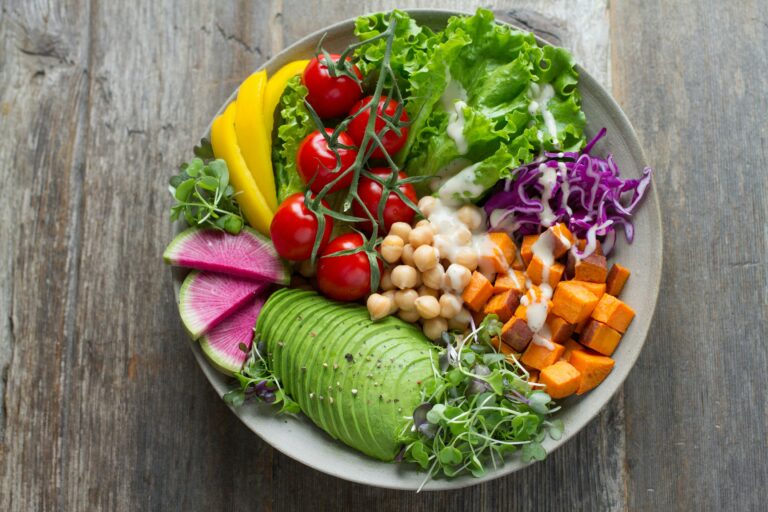
Don’t try to recreate your old gluten-heavy meals immediately. Focus on naturally gluten-free whole foods to reset your palate.
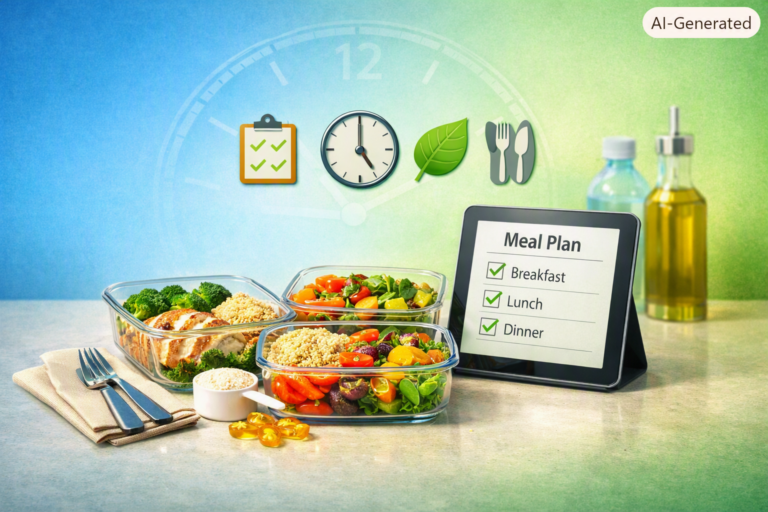
A Sample Day
Breakfast: Eggs with spinach and avocado, or a smoothie with GF protein powder.
Lunch: Salad with grilled chicken and oil/vinegar dressing, or rice cakes with almond butter.
Snack: Apple with peanut butter or nuts with dark chocolate chips.
Dinner: Salmon, quinoa, and broccoli, or tamari stir-fry over rice.
Once you feel stable, start experimenting with gluten-free replacements.
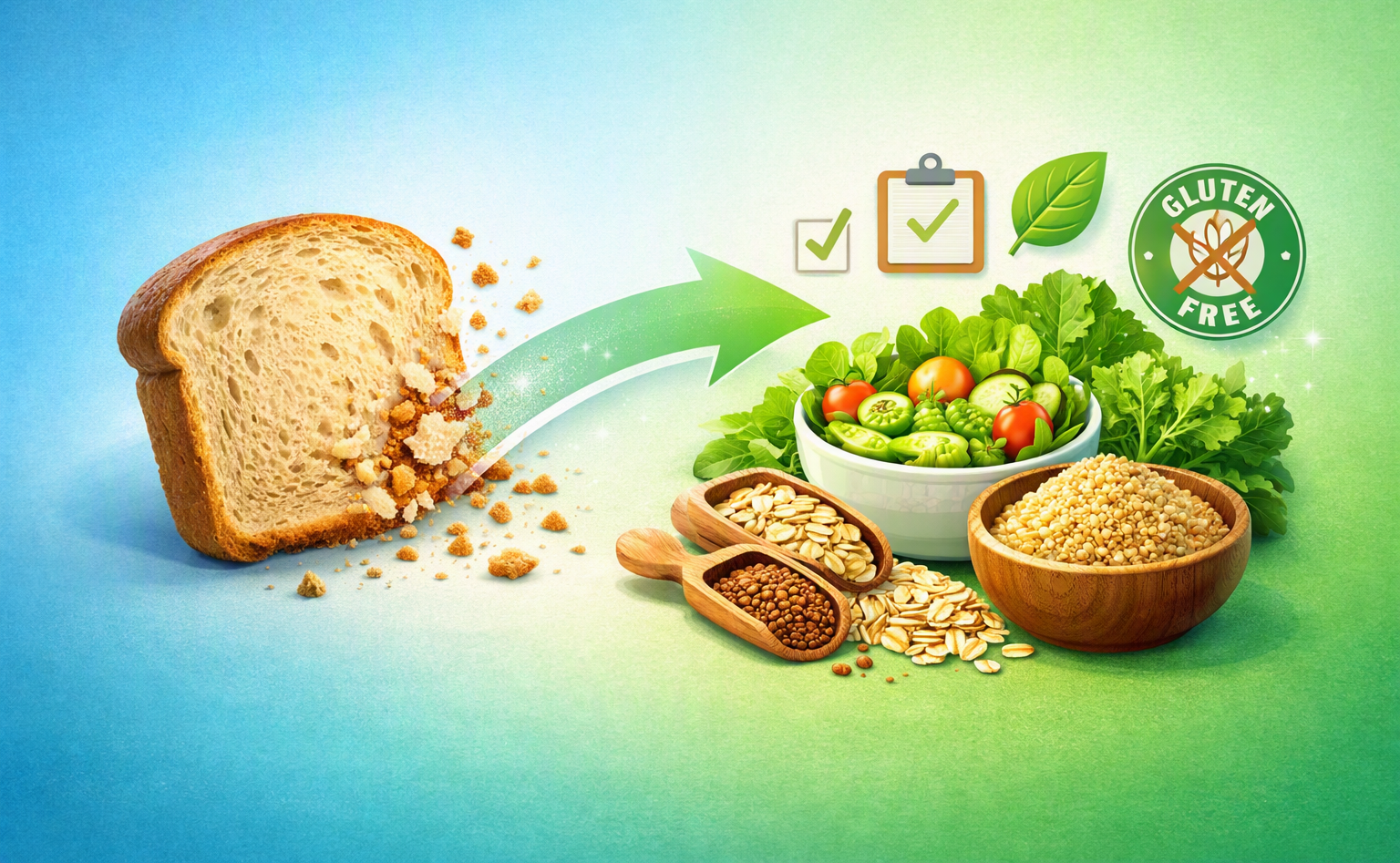
Step 4: Master the Gluten-Free Swap
After a few days of whole foods, you’ll want familiar comfort foods. Here are the best gluten-free replacements that actually taste good.
Best Gluten-Free Replacements
Bread: Canyon Bakehouse, Schar, Against the Grain
Pasta: Barilla GF, Jovial brown rice pasta
Pizza: Caulipower, Capello’s almond flour crust
Crackers: Mary’s Gone Crackers, Simple Mills
Cookies: Enjoy Life, Partake
Honest truth: No GF bread perfectly matches fresh sourdough. But the brands above are excellent and won’t disappoint.
Eating out is the hardest part—but totally manageable.
- Call ahead and ask about dedicated GF fryers and cross-contamination
- Stick to simple proteins (grilled chicken, steak, fish)
- Be cautious with Asian cuisine (soy sauce, hoisin, teriyaki)
- Mexican food is usually safe—corn tortillas, rice, beans, salsa
- Carry a laminated GF request card for servers
Common Mistakes to Avoid
Mistake #1: Assuming “Wheat-Free” Means Gluten-Free
Wheat-free products may still contain barley or rye. Look for certified GF labels.
Mistake #2: Not Replacing Fiber
Add chia, flax, leafy greens, and psyllium husk to avoid constipation.
Mistake #3: Overusing Packaged GF Foods
GF cookies and crackers are still processed—use sparingly.
Mistake #4: Ignoring Cross-Contamination
Use separate toasters, cutting boards, colanders, and spreads.
Mistake #5: Not Retesting After 30 Days
If symptoms don’t improve, consider reintroducing gluten or consulting a dietitian.
FAQ
How long until I feel better?
Most people notice improvements within 3–7 days. Gut healing may take weeks.
Can I drink alcohol?
Yes—avoid beer. Wine, cider, and distilled spirits are gluten-free.
Will I lose weight?
Not automatically. It depends on your food choices, not gluten itself.
Do I need to go gluten-free without celiac?
Only if you have non-celiac gluten sensitivity. Test properly with a doctor.
Are gluten-free oats safe?
Yes—choose certified GF oats to avoid cross-contamination.
Your First Week Survival Checklist
- Day 1: Pantry sweep
- Day 2: Buy tamari, GF oats, GF pasta
- Day 3: Cook quinoa and roast veggies
- Day 4: Try one GF product
- Day 5: Eat out at a GF-friendly restaurant
- Day 6: Eat 100% whole foods
- Day 7: Review your week and adjust
The Bottom Line
Transitioning to gluten-free living is a process. You’ll make mistakes, miss certain foods, and learn as you go. But your body will tell you if the change is worth it. Start with naturally gluten-free foods, learn hidden gluten sources, and use smart swaps when cravings hit.
Affiliate Disclosure: This page may contain affiliate links. We may earn a commission at no extra cost to you.