Intermittent Fasting Success Strategies for Marketing Professionals
Intermittent Fasting Success Strategies for Marketing Professionals
As a marketing professional, your schedule is a relentless cycle of tight deadlines, client calls, and strategic planning. Finding time for meal preparation and consistent eating windows often feels impossible. This disruption frequently leads to poor dietary choices and energy crashes that derail productivity. I have discovered that implementing targeted Intermittent Fasting Success Strategies can transform your metabolic health while seamlessly fitting into your demanding workflow. This approach is not about deprivation; it is about optimizing your energy and focus. By understanding how to align your eating patterns with your professional obligations, you can achieve sustainable weight management and mental clarity. This guide provides actionable techniques, from managing hunger during fasting periods to leveraging the 16-8 fasting schedule benefits for peak cognitive performance.
Benefits of Intermittent Fasting
The advantages of intermittent fasting extend far beyond simple weight management. For professionals who rely on sharp cognitive function, the metabolic shift that occurs during fasting periods is a powerful tool. When your body exhausts its glucose stores, it begins burning fat for fuel, a state known as ketosis. This process is directly linked to intermittent fasting and metabolic health, improving insulin sensitivity and reducing inflammation. I have observed that marketers who adopt this lifestyle report fewer afternoon slumps and a more stable energy baseline throughout the day.
Cognitive Enhancement and Focus
One of the most compelling reasons to adopt this protocol is the impact on brain function. During a fasted state, your body increases the production of brain-derived neurotrophic factor (BDNF). This protein supports the survival of existing neurons and encourages the growth of new ones. For a marketing strategist, this translates to sharper pattern recognition and improved problem-solving abilities. I often recommend starting your most demanding analytical work during the latter part of your fasting window. You will likely find that your mind is clearer and less distracted by food-related thoughts.
Metabolic Flexibility and Energy Stability
Developing metabolic flexibility is crucial for managing a high-pressure career. This term describes your body’s ability to switch efficiently between burning carbohydrates and fats for energy. By practicing intermittent fasting, you train your system to become more adaptable. You will no longer experience the dramatic blood sugar spikes and crashes that come from frequent, carbohydrate-heavy meals. I have seen professionals eliminate their dependency on mid-afternoon caffeine fixes. Instead, they maintain steady energy levels by relying on their body’s fat stores for fuel. This stability is essential for maintaining composure during high-stakes negotiations or long creative sessions.
Simplified Daily Routine
A less obvious but highly valuable benefit is the simplification of your daily schedule. When you reduce your eating window to eight hours, you effectively eliminate one or two meal decisions. This reduction in decision fatigue frees up mental bandwidth for more important tasks. You no longer need to plan a breakfast or worry about packing a mid-morning snack. This simplicity aligns perfectly with the fast-paced nature of marketing, where every minute of preparation counts. I find that this structure helps professionals reclaim time that was previously lost to food preparation and consumption.
Different Intermittent Fasting Methods
Choosing the right fasting protocol is critical for long-term adherence. Not every method is suitable for a professional with a fluctuating schedule. I have tested several approaches and found that the 16-8 method offers the best balance of effectiveness and practicality for most marketers. This method involves a daily fasting window of 16 hours, followed by an 8-hour eating period. However, other protocols exist, and understanding their nuances is key to finding your perfect match.
The 16-8 Protocol
The 16-8 fasting schedule is the most popular and research-backed method for a reason. It is highly adaptable to a standard workday. You might choose to eat between 12:00 PM and 8:00 PM, skipping breakfast and finishing dinner early. This schedule allows you to have lunch with colleagues and a family dinner without feeling restricted. The 16-8 fasting schedule benefits include a significant reduction in daily calorie intake without the need for meticulous calorie counting. I advise my clients to use this window to focus on nutrient-dense meals that support their cognitive and physical demands.
The 5-2 Diet Approach
For those who find daily fasting too restrictive, the 5-2 diet offers an alternative. This method involves eating normally for five days of the week and severely restricting calories (500-600 calories) on two non-consecutive days. This approach can be effective for weight loss and improving insulin sensitivity. However, I caution marketing professionals that the low-calorie days can be challenging for maintaining focus and energy. It is best to schedule these days on weekends or days with lighter workloads. The flexibility of choosing your low-calorie days is a significant advantage for those with unpredictable schedules.
Eat-Stop-Eat Method
The Eat-Stop-Eat method involves a full 24-hour fast once or twice per week. For example, you might finish dinner at 7:00 PM and not eat again until 7:00 PM the following day. This is a more advanced technique that can accelerate fat loss and promote cellular repair through autophagy. I do not recommend this as a starting point for beginners. The mental challenge of a full-day fast can be significant, and it may interfere with social obligations and professional meetings. If you choose this path, ensure you remain well-hydrated and consume electrolytes to manage potential side effects like headaches.
Creating a Sustainable Eating Plan
A successful intermittent fasting journey hinges on what you eat during your feeding window. Fasting alone is not a license to consume processed foods. I emphasize the importance of optimizing meal timing for weight loss by pairing your eating schedule with a diet rich in whole foods. Your meals must provide the necessary micronutrients and macronutrients to support your activity level and metabolic health.
Prioritizing Protein and Fiber
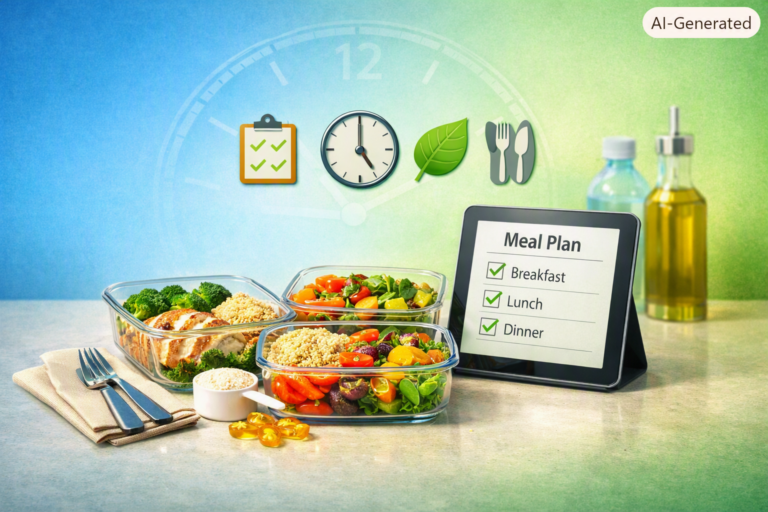
To maintain muscle mass and control hunger, your first meal of the day should be high in protein and fiber. This combination promotes satiety and stabilizes blood sugar levels. For a marketing professional, a lunch of grilled chicken, quinoa, and a large portion of leafy greens is an excellent choice. The protein helps repair tissues and keeps you full, while the fiber supports digestive health. I recommend aiming for at least 30 grams of protein in your first meal. This strategy prevents overeating later in the evening and provides a steady release of energy for your afternoon tasks.
Strategic Carbohydrate Timing
Carbohydrates are not the enemy, but their timing matters. Consuming complex carbohydrates around your workouts or during the early part of your eating window is most effective. This approach ensures that the glucose is used for immediate energy or muscle glycogen replenishment rather than being stored as fat. Sweet potatoes, brown rice, and oats are excellent sources of slow-digesting carbs. I advise my clients to limit simple sugars and refined grains, especially later in the evening. A dinner focused on lean protein, healthy fats, and non-starchy vegetables supports overnight fasting and metabolic health.
Hydration and Electrolyte Balance
Proper hydration is non-negotiable during fasting periods. Water, black coffee, and unsweetened tea are permitted and can help manage hunger. However, many professionals overlook the importance of electrolytes. When you fast, your body excretes more sodium and potassium. This loss can lead to headaches, fatigue, and brain fog. I recommend adding a pinch of high-quality sea salt to your water or consuming an electrolyte supplement without sugar. This simple step can dramatically improve your comfort and mental clarity during the fasting window.
Incorporating Exercise with Fasting
Integrating physical activity into your fasting routine can amplify the metabolic benefits. The type and timing of your exercise, however, require careful consideration. Exercising in a fasted state encourages your body to burn a higher percentage of fat for fuel. This is a powerful strategy for those focused on body composition. I have found that low-to-moderate intensity activities, such as walking, yoga, or light jogging, are ideal for a fasted state.
Fasted Cardio and Fat Oxidation
Performing cardiovascular exercise before breaking your fast can enhance fat oxidation. Your body’s glycogen stores are depleted, forcing it to rely on stored body fat for energy. A 30- to 45-minute morning walk or a steady-state jog on a treadmill is an excellent way to start your day. This practice also boosts mental clarity and sets a positive tone for the day. I caution against high-intensity interval training (HIIT) in a fasted state, as it can lead to excessive fatigue and muscle breakdown. Save your intense workouts for your eating window, when you can fuel properly beforehand.
Strength Training and Meal Timing
For strength training, timing your workout near your eating window is optimal. Lifting heavy weights requires significant energy and glucose for performance. I recommend scheduling your lifting session in the late morning or early afternoon, just before your first meal. This allows you to consume a protein-rich meal immediately after your workout to support muscle repair and growth. The anabolic window following exercise is an ideal time to break your fast. This strategy ensures you are maximizing muscle protein synthesis while still enjoying the benefits of a prolonged fasting period.
Listening to Your Body’s Signals
Your energy levels will fluctuate as your body adapts to fasting. It is crucial to listen to these signals and adjust your exercise intensity accordingly. During the first week of a new fasting protocol, you may feel weaker or more fatigued. I advise reducing the volume or intensity of your workouts during this adaptation phase. Pushing through extreme fatigue is counterproductive and increases the risk of injury. As your metabolic flexibility improves, your performance will return, often exceeding your previous baseline. Patience and consistency are the keys to successfully combining fasting with exercise.
Managing Hunger and Cravings
Hunger is the most common barrier to sticking with intermittent fasting. The initial transition can be challenging, but your body will adapt. Understanding the difference between true hunger and habitual cravings is essential. I have developed several practical strategies for managing hunger during fasting periods that help professionals stay on track without suffering.
Leveraging Appetite-Suppressing Beverages
Water is your first line of defense against hunger pangs. However, you can use other beverages to your advantage. Black coffee is a potent appetite suppressant due to its caffeine content and chlorogenic acid. A cup of unsweetened green tea provides L-theanine, an amino acid that promotes relaxation without drowsiness. Sparkling water can also create a feeling of fullness in the stomach. I recommend keeping a large water bottle on your desk and sipping on these beverages throughout the morning. The act of drinking itself can help curb the psychological desire to eat.
Distraction and Routine Adjustment
Hunger is often a response to boredom or stress, not a genuine biological need. For a marketing professional, the periods between meetings can trigger mindless eating. I suggest replacing the habit of reaching for a snack with a different activity. A short walk around the office, a few minutes of deep breathing, or tackling a quick administrative task can redirect your focus. Adjusting your routine to keep your hands and mind busy during your typical snack times is highly effective. Over time, your body will learn that food is not available during these hours, and the hunger signals will diminish.
Strategic Use of Healthy Fats in Your Last Meal
The composition of your last meal before the fast is critical. A dinner high in healthy fats and protein will promote satiety and slow digestion. Avocado, olive oil, nuts, and fatty fish like salmon are excellent choices. These foods take longer to break down, providing a steady release of nutrients that keeps you feeling full for hours. I advise avoiding high-sugar desserts or refined carbohydrates at dinner. These foods cause a rapid spike and crash in blood sugar, which can trigger intense cravings later in the evening or the next morning. A fat-rich meal is your best ally for a comfortable overnight fast.
Tracking Progress and Adjusting
Monitoring your progress is essential for maintaining motivation and making necessary adjustments. The scale is not the only metric of success. I encourage my clients to track multiple data points to get a holistic view of their health and the effectiveness of their Intermittent Fasting Success Strategies. This data-driven approach is familiar to marketing professionals who rely on analytics to optimize campaigns.
Beyond the Scale: Body Composition and Energy
Your weight can fluctuate daily due to water retention, hormonal changes, and food intake. I recommend weighing yourself no more than once or twice per week. More valuable metrics include how your clothes fit, your energy levels throughout the day, and your mental focus. Taking progress photos and measurements of your waist, hips, and chest provides a more accurate picture of fat loss. I also suggest keeping a simple journal to log your subjective energy levels and mood. This qualitative data helps you identify patterns and optimize your schedule.
Adjusting Your Eating Window
No single fasting schedule works perfectly for everyone forever. Your life circumstances and metabolic needs will change. If you find that your energy is consistently low or your sleep quality has declined, it may be time to adjust your eating window. You might shift your 8-hour window earlier in the day or later, depending on your social and professional commitments. For example, if you are struggling with evening social events, you could move your eating window to 2:00 PM to 10:00 PM. I emphasize that flexibility is a core component of a sustainable fasting technique for beginners and seasoned practitioners alike.
Using Technology to Your Advantage
Several apps can simplify the tracking process. Apps like Zero, MyFitnessPal, or Life Fasting Tracker allow you to log your fasting and eating windows with a simple tap. These tools provide visual feedback on your adherence and consistency. Some apps also integrate with wearable devices to track your activity levels and sleep patterns. I find that using these tools creates a sense of accountability and gamifies the process. The data they provide can be invaluable for making informed decisions about when to eat and exercise.
Intermittent Fasting Supplements
While whole foods should be your primary source of nutrition, certain supplements can support your fasting journey. The key is to choose supplements that do not break your fast. Any supplement containing calories, sugar, or artificial sweeteners can trigger an insulin response and disrupt the metabolic benefits of fasting. I recommend focusing on supplements that enhance energy, support electrolyte balance, and promote cellular health.
Electrolytes and Hydration Support
As previously mentioned, electrolyte balance is crucial. A high-quality electrolyte powder without sugar or calories is a wise investment. Look for products containing sodium, potassium, and magnesium. These minerals help prevent headaches, muscle cramps, and fatigue. I advise taking electrolytes in the morning, especially if you are exercising in a fasted state. This simple addition can make the difference between a productive morning and a struggle with brain fog.
MCT Oil and Its Role
Medium-chain triglyceride (MCT) oil is a popular supplement among those who practice intermittent fasting. MCTs are a type of fat that is rapidly absorbed and converted into ketones, providing a quick source of energy. While pure MCT oil contains calories, many practitioners use it to ease the transition into a fasted state. A small amount in your morning coffee can suppress hunger and boost mental clarity without completely breaking your fast. I recommend starting with a small dose, such as one teaspoon, to assess your tolerance. Too much MCT oil can cause digestive upset.
Other Beneficial Supplements
Magnesium glycinate is an excellent supplement for improving sleep quality, which is often disrupted during the initial phases of fasting. Better sleep supports hormonal balance and metabolic health. Vitamin D and omega-3 fatty acids are also beneficial, as they support immune function and reduce inflammation. I always advise consulting with a healthcare professional before starting any new supplement regimen. The goal is to fill nutritional gaps, not to replace a healthy diet. These supplements are tools to enhance your fasting experience, not crutches.
Tips for Long-Term Success
Sustainability is the ultimate goal of any lifestyle change. The most effective Intermittent Fasting Success Strategies are those you can maintain for months and years, not just a few weeks. I have compiled a set of principles that help marketing professionals integrate fasting into their lives without feeling deprived or overwhelmed.
Building a Supportive Environment
Your environment plays a massive role in your success. I recommend cleaning out your pantry and office of tempting snacks that are not part of your plan. Communicate your goals with your family, friends, and colleagues so they understand your schedule. Having a supportive network reduces social pressure to eat outside your window. You might even find a colleague who wants to join you. Accountability is a powerful motivator. Surrounding yourself with people who respect your choices makes the journey significantly easier.
Mastering the Art of the Social Meal
Social events are a common stumbling block. Business lunches, client dinners, and team happy hours often fall outside your planned eating window. I advise planning ahead. If you have a dinner meeting, simply adjust your eating window for that day to accommodate it. You can extend your fast the next day to compensate. The goal is not perfection, but consistency over time. I also recommend focusing on the company and conversation rather than the food. Ordering a black coffee or sparkling water with lime allows you to participate without breaking your fast.
Prioritizing Sleep and Stress Management
Fasting is a stressor on the body, albeit a positive one in moderation. Chronic stress from your career, combined with poor sleep, can negate the benefits of fasting. High cortisol levels can lead to insulin resistance and fat storage, particularly around the midsection. I emphasize the importance of a consistent sleep schedule and stress-reduction practices like meditation or deep breathing. Your body repairs and regulates hormones during sleep. Without adequate rest, your fasting efforts will be significantly less effective. Treat your sleep hygiene with the same importance you give your eating window.
For further reading on the science behind time-restricted eating, I recommend reviewing this comprehensive study from the New England Journal of Medicine on intermittent fasting. Additionally, the Harvard T.H. Chan School of Public Health offers a balanced overview of intermittent fasting for general health. For those interested in the specific metabolic pathways, the National Institutes of Health database contains extensive research on metabolic health and fasting. Finally, practical guidance on meal planning can be found through the Academy of Nutrition and Dietetics.
In summary, adopting Intermittent Fasting Success Strategies as a marketing professional is a powerful way to enhance your metabolic health, sharpen your cognitive edge, and simplify your daily routine. The key is to start with a sustainable method like the 16-8 protocol, prioritize nutrient-dense meals during your eating window, and listen to your body’s signals. By managing your hunger with strategic hydration and distraction, and by tracking your progress beyond the scale, you can create a system that works for your unique lifestyle. The journey requires patience and flexibility, but the rewards—improved focus, stable energy, and better health—are well worth the effort. I encourage you to start today with a small, manageable change and build from there. Your body and your career will thank you.