Beyond the Dashboard: What Elite Athletes Actually Need in a Fitness Tracker
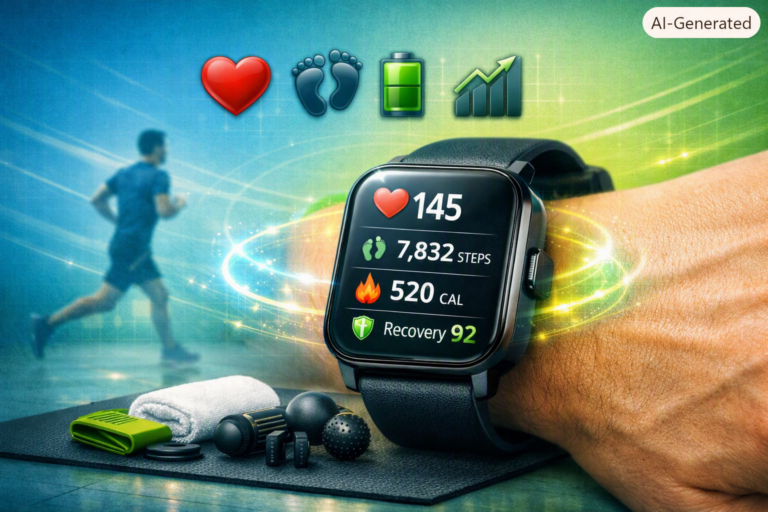
You strap on a fitness tracker expecting more than step counts and generic sleep scores. But once you start digging into the specs—VO2 max, HRV, training load, GPS accuracy—the jargon piles up fast. The truth is, most fitness trackers are built for casual users, not athletes pushing their bodies to the limit.
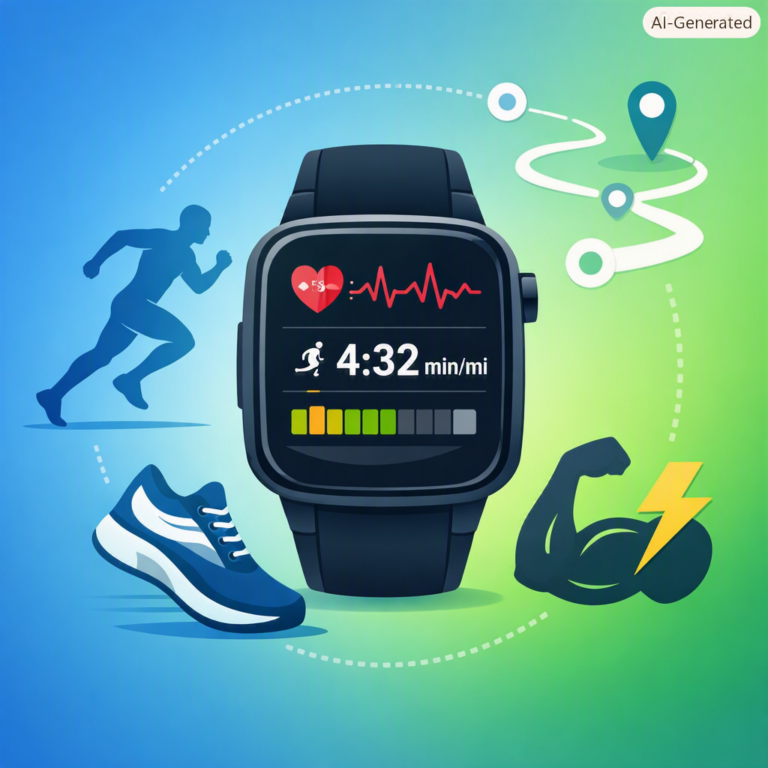
If you’re serious about running, cycling, lifting, or competitive sports, you need a device that acts like a training partner—not a glorified pedometer. This guide breaks down the features that actually matter for athletes, the ones that help you train smarter, recover faster, and perform better.
Why Athletes Need More Than a Basic Tracker
A standard tracker logs steps and guesses sleep. For athletes, that’s nowhere near enough. When you’re training for a marathon, triathlon, or powerlifting meet, small data errors compound over time. A heart rate reading off by five beats per minute can push you into the wrong training zone. A GPS that drifts by a few meters can ruin interval pacing.
Elite athletes need accuracy, context, and actionable insights. The best fitness trackers for athletes connect raw data to real training outcomes—helping you know when to push and when to recover.
The Must-Have Core Features (Non-Negotiables)
1. Multi-Band GPS and Accurate Route Mapping
Single-band GPS is fine for casual walks. But athletes training in cities, forests, or winding trails need multi-band GPS for precise route tracking. This reduces signal drift and ensures accurate pace, distance, and elevation data.
Top options: Garmin Forerunner 265/955, Coros Apex 2 Pro, Apple Watch Ultra 2.
2. Advanced Optical Heart Rate Sensors
Basic wrist sensors struggle during high-intensity intervals or weightlifting. The best trackers use electrode arrays—multiple LEDs and photodiodes—to reduce motion interference. Even better, choose a device that supports chest straps for gold-standard accuracy.
Example: Polar Vantage V3 with a 9-LED sensor, or pair with the Polar H10 chest strap.
3. Training Load and Recovery Metrics
This is where a tracker becomes a coach. Training load shows cumulative strain over days and weeks. Recovery metrics—like HRV and resting heart rate—tell you if your nervous system is ready for another hard session.
Why it matters: Without these insights, you’re guessing. The best trackers turn complex data into simple readiness scores.
Advanced Metrics That Separate Pros from Hobbyists
4. Heart Rate Variability (HRV)
HRV measures the variation between heartbeats. Higher HRV usually means better recovery; lower HRV can signal stress or fatigue. Overnight HRV readings are the most accurate.
Top performers: Whoop 4.0, Oura Ring Gen 3.
5. VO2 Max and Training Effect
VO2 max is a gold-standard measure of aerobic fitness. The best trackers estimate it from your running or cycling data and show how each workout impacts your aerobic and anaerobic systems.
Example: Garmin’s Training Effect scores help you balance speed, endurance, and power.
6. Blood Oxygen Saturation (SpO2)
SpO2 matters for altitude training and sleep quality. Overnight drops can indicate breathing issues or poor recovery.
Top options: Apple Watch Series 9, Garmin Fenix 7X.
Battery Life, Durability, and Practical Features
7. Battery Life That Matches Your Training
A one-day battery is unacceptable for athletes. Look for at least 14 days in smartwatch mode or 30+ hours in GPS mode.
Top performers: Coros Pace 3 (38 hours GPS), Garmin Enduro 2 (up to 150 hours with solar).
8. Water Resistance and Durability
Athletes sweat, swim, and train in all conditions. Look for 5 ATM minimum, 10 ATM for triathletes. Sapphire crystal or Gorilla Glass screens resist scratches.
Durable picks: Garmin Instinct 2 Solar, Suunto Vertical.
9. Customizable Workout Modes
You should be able to launch your most-used activity instantly. Look for customizable data screens and sport-specific modes like trail running, HIIT, or open-water swimming.
Why the App Ecosystem Matters
10. Third-Party Integration
Your tracker should sync seamlessly with TrainingPeaks, Strava, Apple Health, or your coaching platform.
Best integrations: Garmin Connect, Coros, Apple Health.
11. Trend Graphs and Digestible Insights
The best apps highlight trends—HRV, resting heart rate, training load—so you can see progress over weeks and months.
12. Structured Workout Support
Features Athletes Should Skip
- Step counting
- Menstrual cycle tracking (useful but not essential for most athletes)
- Built-in music storage
- Touchscreen-only devices (buttons are more reliable when sweaty)
How to Pick the Right Tracker for Your Sport
Endurance Runners & Cyclists
Multi-band GPS, VO2 max, training load, structured workouts.
Swimmers & Triathletes
10 ATM water resistance, stroke detection, open-water GPS.
Weightlifters & CrossFit Athletes
Strength tracking, HRV, recovery metrics.
Team Sport Athletes
Indoor tracking, impact detection.
Real-World Example: A Week With a Premium Tracker
Imagine a marathon runner using a Garmin Forerunner 965. HRV trends guide intensity. Structured workouts keep pacing tight. GPS accuracy ensures clean interval data. Recovery scores prevent overtraining. Battery life lasts all week. This is what elite-level tracking looks like.
The Bottom Line
The best fitness tracker is the one that improves how you train—not the one with the most features. Prioritize accurate GPS, reliable heart rate, and recovery metrics. Everything else is a bonus.
Affiliate Disclosure: This page may contain affiliate links. We may earn a commission at no extra cost to you.
Your next step: Compare your current tracker to the list above. Identify the missing feature that would improve your training the most—and upgrade accordingly.